🧪 The Science Behind the Mushroom
- The Identity: DNA sequencing studies led by researchers at the University of Utah confirmed that the primary species driving this phenomenon is Lanmaoa asiatica
- The “Lilliputian” Hallucinations: When undercooked, L. asiatica triggers a highly specific, rare clinical psychiatric syndrome known as Lilliputian hallucinations. Roughly 90% to 96% of affected patients report seeing vivid, autonomous, and moving armies of miniature people, elves, clowns, or fairy-like figures interacting with the real-world environment.
- The Chemical Mystery: Despite producing intense psychedelic effects, genomic testing revealed that the mushroom contains absolutely no psilocybin, ibotenic acid, or any other known psychoactive compounds. Scientists believe it contains an entirely undiscovered class of fungal toxins that directly impact neurological pathways and human perception
⚠️ The Risks of Buying & Consuming It
If you are considering trying to buy jian shou qing, you must understand the deep safety concerns associated with it:
- Taxonomic Chaos: Because “jian shou qing” is a broad market name rather than a scientific classification, a single batch bought from an unverified seller can contain up to four entirely different species mixed together some edible, some highly toxic
- The Lookalike Danger: Wild boletes are incredibly difficult for an untrained eye to differentiate. Foraging or ordering unregulated wild mushrooms can easily result in severe poisoning leading to nausea, vomiting, confusion, organ failure, or death.
- Extreme Cooking Sensitivity: The mushroom’s toxins are only neutralized by high, prolonged heat. If a piece is sliced too thickly or cooked unevenly, the toxins survive. In the Yunnan Province, hospitals treat hundreds of cases of accidental poisonings every summer during peak mushroom season.
Can you buy Jian shou qing online safely?
How to Experience It Safely
Safe Alternatives for Your Kitchen
- The Cornflower Bolete (Gyroporus cyanescens): This is the ultimate choice for home kitchens. Found across North America and Europe, this highly prized, choice edible mushroom starts out a creamy white. The moment you slice the stem or bruise the cap, it turns an intense, shocking electric blue within seconds. It carries zero hallucinogenic or toxic risks.
- The Indigo Milk Cap (Lactarius indigo): Available seasonally at specialty markets and through high-end wild mushroom vendors, this stunning mushroom is entirely blue inside and out. Slicing into it releases a vibrant, milky blue sap that mimics the dramatic color transformation of Yunnan’s wild boletes.
Sourcing and Preparing Safely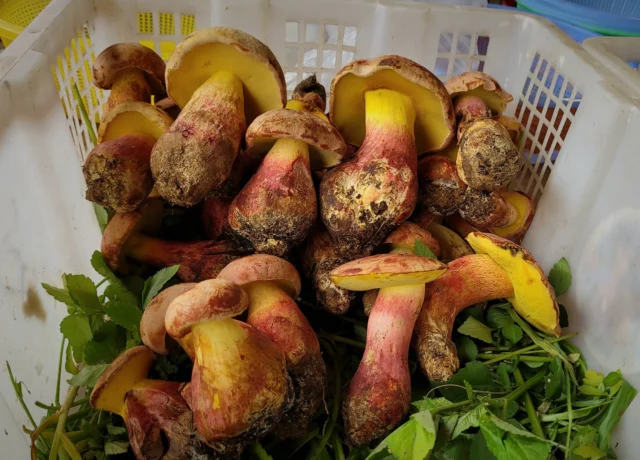
Instead of buying dubious imported dried mushrooms online which lose their color-changing properties once dehydrated anyway purchase fresh or cultivated alternatives from reputable local mushroom purveyors or verified organic growers.
When you cook these safe bluing varieties, you will notice that the brilliant blue color typically fades into a deep, appetizing gold or brown under the heat of the pan. Sauté them simply in butter with garlic and thyme to enjoy a completely safe, deeply savory culinary illusion right from the comfort of your own stove.
Culinary Magic: Cooking with Safe Bluing Mushrooms
Once you have sourced your safe bluing mushrooms, you can use their unique chemistry to create an unforgettable dining experience. Because the blue pigment is heat-sensitive, preparing them requires a bit of culinary strategy.
🍳 How Heat Changes the Color
- The Fading Effect: For most bluing boletes, like the Cornflower Bolete, the intense electric blue color is fleeting. The moment the mushroom hits a hot pan, the heat destroys the blue molecules, transforming the flesh into a rich, appetizing golden yellow or deep brown.
- The Retained Effect: The Indigo Milk Cap is much more structurally resilient. While it loses a little bit of its brilliant neon brightness during cooking, it retains a striking, deep silvery-blue hue that looks completely otherworldly on a plate.
🍽️ Visual Recipe Ideas
- The Sizzling Reveal: Slice fresh Cornflower Boletes directly into a hot pan right in front of your guests. Watch them instantly flash blue upon slicing, and then rapidly shift to gold as they hit the hot butter.
- Indigo Rice or Pasta: Sauté Indigo Milk Caps with garlic and shallots, then toss them with light-colored cream sauces, risotto, or pasta. The blue milk latex will lightly dye the surrounding ingredients, creating a stunning, naturally colorful dish.
2 comments
Percy Christiansen
25/01/2018 at 9:35 am
It is absolutely fascinating that an organism can cause such highly specific, identical hallucinations (like an army of tiny people) without containing any known compounds like psilocybin. It sounds like something straight out of Alice in Wonderland. Fungal chemistry still has so much left to discover
Ms. Adrianna Grady
25/01/2018 at 9:35 am
The taxonomic chaos of jian shou qing is what gets me. The fact that a single market name covers dozens of different bolete species means you’re basically playing Russian roulette if you don’t buy from a master vendor