

Where to Find Jian Shou Qing: Wild Foraging vs. Safe Local Sourcing
The viral rise of the legendary sapphire-staining mushroom leaves mycologists and hobbyists asking one major question: where to find jian shou qing? Known scientifically as Lanmaoa asiatica, this Foreign bolete turns heads with its instant blue bruising and its bizarre “tiny elf” side effects.
However, buyers cannot simply source this unique fungus at a local supermarket. Ordering it from a standard online seed store also fails. Because of its complex biology, finding it requires understanding its native habitat or turning to highly specialized local agricultural pipelines. Lanmaoa Asiatica Co. is a mycology directory specialized in the Research and studies of Lanmaoa asiatica and also sourcing hub for for those looking for home researchers, microscopic hobbyists, chefs and culinary agricultural enthusiasts seeking elite, high-yield fungal cultures.
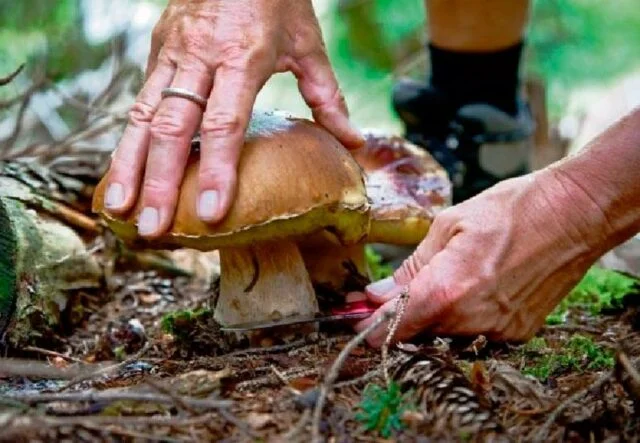
The Wild Foraging Reality: The Pine Forests of Yunnan
To track down this mushroom in its natural habitat, you must travel to southwestern China or parts of Southeast Asia. Yunnan Province, China serves as the primary hub for this species. Here, the fungus thrives under very specific environmental conditions during the annual monsoon season.
To find it in the wild, foragers look for specific markers:
-
- Symbiotic Host Trees: The fungus forms a strict relationship with living tree roots, specifically the Yunnan Pine (Pinus yunnanensis).
- The Rainy Season Window: Wild specimens only fruit between June and August when heavy rainfall hits the regional mountain slopes.
- Local Foraging Markets: Foragers bring freshly harvested batches daily to open-air markets in cities like Kunming. Culinary experts then purchase them under strict supervision.
The Extreme Dangers of Wild Harvesting
While hunting for wild boletes sounds exciting, foraging for this specific species carries massive health risks. First, Yunnan forests host several toxic lookalike mushrooms. Mistaking a poisonous variant for true Lanmaoa asiatica causes permanent severe poisoning and gastrointestinal failures.
Second, raw or undercooked wild specimens contain unnamed central nervous system toxins. If you do not cook the mushroom perfectly for a minimum of 20 minutes, it triggers severe toxic encephalopathy. This condition causes vivid, terrifying hallucinations and results in immediate hospitalization. Because fresh wild mushrooms rot within days, international shipping companies cannot transport them easily.
3 comments
Lindsey Rice
25/01/2018 at 9:35 am
Wow, that sapphire color shift happens at lightning speed! ⚡
Brent Powlowski Jr.
25/01/2018 at 9:35 am
Yunnan Pine forests must look absolutely magical during monsoon season! 🌲🌧️
Jaeden Jaskolski
25/01/2018 at 9:35 am
A 20-minute mandatory cook rule? Challenge accepted, chef! 👨🍳🔥